


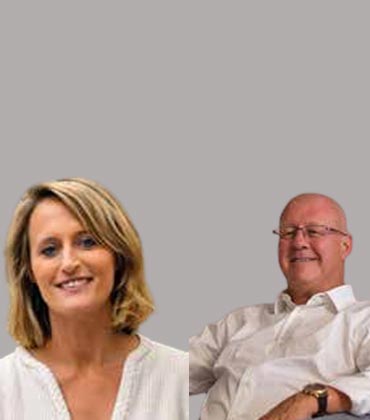
 Julie Bosiers, COO and Marc Bosiers, CEO
“Medical device studies are rarely ‘one size fits all’,” says Marc Bosiers, CEO, Rede Optimus. “Regulatory requirements and operational realities can vary significantly between countries and sites.”
Rede Optimus brings clinical, regulatory and study management expertise together to turn complex requirements into executable studies. It has supported more than 140 clinical studies across over 20 countries. Its hands-on model keeps project managers and CRAs close to sponsors and sites. The company can manage a complete clinical investigation or provide individual services, with scope, milestones and fixed budgets agreed upfront.
Building the Study Around the Question
The work often begins before a protocol exists. An investigator may bring a clinical question without defined endpoints or an execution plan. Rede Optimus helps structure the idea by clarifying what the study needs to answer, which endpoints can generate meaningful evidence, how many patients and sites may be required and which regulatory pathway applies.
Industry-initiated research typically begins with product development and regulatory goals, while investigator-initiated research may need more support around concept development and protocol design. Collaborative research brings investigator insight together with industry device knowledge, funding and resources.
Once the direction is clear, Rede Optimus can develop the Clinical Investigation Plan, Case Report Forms, informed consent and monitoring documents. It can establish Electronic Data Capture, coordinate data management and statistics, manage regulatory submissions and support site identification, qualification and initiation through enrolment, follow-up, monitoring and close-out.
A project manager coordinates the sponsor, sites, CRAs and other functions. Progress, risks and issues are followed closely. When a problem emerges, the team assesses its impact and brings the sponsor possible solutions before it affects the wider study.
International Reach With Direct Involvement
That combination of scale and proximity matters in multicountry device investigations. Rede Optimus is involved in international studies across cardiovascular and peripheral vascular indications, including Class III devices.
In one recent cardiovascular investigation across several European countries, it supported country and site start-up, documentation, site training, monitoring and project oversight. Its team identified country- and site-specific differences early and worked directly with the sponsor and investigators to resolve them while maintaining consistency across the study.
“We are large enough to manage complex international medical device studies, but we intentionally maintain short communication lines and direct involvement from experienced team members and senior management when needed,” says Julie Bosiers, COO.
-
Medical device studies are rarely ‘one size fits all’.
“We are large enough to manage complex international medical device studies, but we intentionally maintain short communication lines and direct involvement from experienced team members and senior management when needed,” says Julie Bosiers, COO.
Evidence Across the Device Lifecycle
Rede Optimus also connects clinical research with regulatory affairs, reimbursement and post-market clinical follow-up. Early studies may focus on safety and performance, while later evidence must support the intended regulatory pathway. After CE marking, PMCF helps demonstrate continued safety and performance in clinical practice, while reimbursement brings healthcare systems and payers into the evidence strategy.
Its medical device specialization matters because approaches developed for pharmaceutical studies cannot always transfer directly to device research. Rede Optimus works with device-specific clinical, regulatory and execution requirements and can carry projects through clinical study reports and publication support where required.
Predictability is built into the commercial model. Rede Optimus uses fixed budgets linked to defined study milestones agreed upfront, giving sponsors visibility on expected costs, deliverables and key project stages from the outset. This milestone-driven approach creates shared accountability and keeps discussions focused on study progress, quality and delivery rather than continuously tracking billed hours.
Rede Optimus’ medical device specialization, international experience and direct involvement have earned it recognition as Top CRO Solutions in Europe 2026. Its approach keeps scientific, regulatory and execution decisions connected through close-out, helping sponsors and investigators move studies forward with clearer structure.
What Medical Device Sponsors Need From European CROs
Medical device sponsors can lose months before a study even begins when protocol design and country requirements sit apart from site readiness and follow-up planning. A CRO may look capable on paper, yet still create friction if its regulatory approach does not reflect how individual European countries handle submissions and site activation. The real procurement question is therefore not how many services a provider offers, but whether it can connect study design to country-level execution without adding handoffs that delay enrollment or trigger late protocol changes. Just as important is knowing who owns each step once the study moves from planning into active management.
Medical device experience matters because these investigations do not follow the same path as standard pharmaceutical trials. Device classification and intended use can affect the study plan, while endpoints and post-market obligations influence the evidence required later. A provider should be able to build a Clinical Investigation Plan around the evidence objective and anticipate how ethics committees and competent authorities across participating sites may assess it. The more useful question is not simply whether a CRO provides regulatory support, but whether that support enters the study plan early enough to avoid unnecessary rework.
The same level of attention should go to site execution. Once a country grants approval, differences in investigator qualifications and documentation practices can still affect how a study runs. Project managers and clinical research associates need enough contact with sites to spot delays before they affect the wider study. Clear ownership is just as important. When communication between sponsors and sites passes through too many layers, a manageable issue can quickly become a timeline problem, particularly when specialist functions are involved.
Evidence planning should look beyond the immediate investigation. A medical device program may require clinical data at several points, from demonstrating safety and performance to supporting CE marking, post-market clinical follow-up, and reimbursement discussions. Each stage may have different requirements, but planning them in isolation can create gaps or require sponsors to collect similar evidence more than once. A stronger approach is to design the study around the intended regulatory pathway while making sure the evidence can support later needs across the device lifecycle.
“Rede Optimus keeps project managers and clinical research associates close to sponsors and sites, while using defined milestones and fixed budgets to improve cost predictability.”
Commercial structure is another practical filter. Hourly billing can make a complex international study harder to forecast when monitoring effort or regulatory work changes by country. Milestone-based budgets can offer more control when scope and responsibilities are clearly defined in advance. The underlying requirement is transparency about what is included, who owns each activity, how scope changes are handled and when additional work can alter cost or timing.
Rede Optimus gives medical device sponsors a practical choice between end-to-end CRO support and individual services, depending on study needs. Its capabilities cover protocol and Clinical Investigation Plan development, regulatory and ethics submissions, site start-up and monitoring, data management, and statistical support. Sponsors and sites also work directly with project managers and clinical research associates, while clear milestones and fixed budgets keep timelines and costs visible. Experience across more than 140 studies in over 20 countries gives Rede Optimus a practical understanding of country-level differences. For sponsors seeking medical device expertise across Europe, with hands-on oversight and coordinated regulatory execution, the model offers a focused option.
...Read more
CRO Solutions in Europe Info
Q1
What Does A Contract Research Organization Provide?
CRO Solutions support the planning, execution and oversight of clinical research so that studies produce reliable evidence while meeting scientific and regulatory requirements. In medical device research, CRO Solutions can cover study design, clinical investigation planning, regulatory submissions, site management, monitoring, data handling and close-out. The right scope depends on the study question, device, market and stage of development. A useful approach connects these decisions early rather than treating each task as separate.
Q2
How Does Rede Optimus Approach CRO Solutions?
Rede Optimus applies CRO Solutions to medical device studies by bringing clinical, regulatory and study management work into one coordinated process. It has supported more than 140 clinical studies across more than 20 countries. Its team can manage a complete clinical investigation or provide selected services, with project scope, milestones and fixed budgets agreed upfront. Project managers and CRAs remain directly involved with sponsors and sites, helping address risks and operational issues as they arise.
Q3
What Can Medical Device CRO Services Include?
The scope of CRO Solutions can begin before a protocol is written. A study partner may help define the research question, endpoints, patient and site requirements and regulatory pathway. Once the direction is established, these services may extend to the Clinical Investigation Plan, Case Report Forms, informed consent, monitoring documents, Electronic Data Capture, data management, statistics and regulatory submissions. Site identification, qualification, initiation, enrolment, follow-up, monitoring and close-out can also form part of the work.
Q4
Why Does Medical Device Specialization Matter In CRO Services?
Medical device research has requirements that do not always translate directly from pharmaceutical studies. CRO Solutions for devices need to account for device-specific clinical, regulatory and execution considerations across the development lifecycle. These may include safety and performance evidence in early studies, evidence supporting the intended regulatory pathway, post-market clinical follow-up after CE marking and evidence considerations linked to reimbursement. Clinical study reporting and publication support may also be required.
Q5
How Can Clinical Research Partners Support Multicountry Studies?
Multicountry studies create differences in regulatory expectations, documentation, site readiness and operating practices. Effective CRO Solutions help identify those differences early and coordinate sponsors, investigators, sites, CRAs and other functions around a common study plan. Rede Optimus has worked on international cardiovascular and peripheral vascular investigations, including Class III devices. In one European study, it supported country and site start-up, documentation, training, monitoring and project oversight while addressing country- and site-specific issues with the sponsor and investigators.
Q6
What Should Sponsors Look For When Evaluating Clinical Research Services?
Sponsors evaluating CRO Solutions should examine whether the provider can connect study design, regulatory requirements, execution and risk management rather than treating them as isolated tasks. Practical factors include relevant device experience, international capability, clear communication, defined milestones and visibility into costs. Rede Optimus uses fixed budgets linked to agreed study milestones, giving sponsors a clearer view of expected costs, deliverables and project stages. In practice, the category is more useful when responsibilities, milestones and escalation paths are clear from the outset.
