

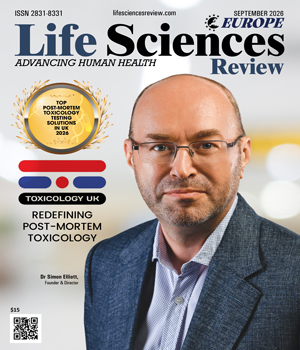
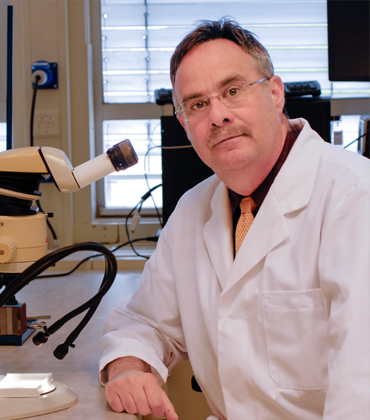
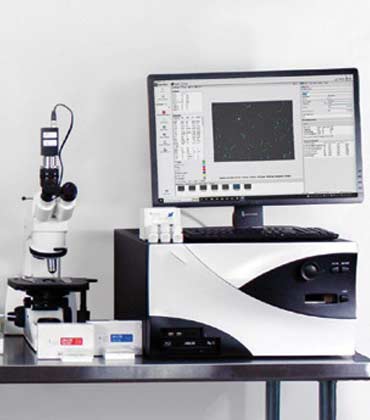
Post-mortem toxicology typically begins without a clear indication of what to look for. When a person dies and no medical or physical cause is immediately apparent, Coroners and pathologists need to establish whether drugs or other toxic substances were involved. A toxicology report identifies the drugs and chemicals present in the body, but the numbers alone cannot determine whether they caused or contributed to the death. Reaching that conclusion requires expert scientific interpretation that places every laboratory result within the wider body of case evidence along with the pathological findings. Toxicology UK responds with a specialised forensic toxicology model. It combines accredited analytical testing, specialist interpretation and casework expertise into one integrated process that helps Coroners, pathologists and investigator move from unexplained deaths and inconclusive findings to clear, scientifically defensible conclusions. "Families need answers, and Coroners need confidence. Our role is to ensure the science provides both," Dr Simon Elliott, founder & director.
Therapeutics
While leading antidepressant drug development at Merck in the Netherlands, Prof. Dr Ard Peeters, founder, CEO and CSO of Orexa , repeatedly saw patients gain weight during treatment. The effect was well recognised but generally treated as an unwanted side effect. Peeters became interested in this: what biological mechanism was responsible for it? If that mechanism could increase food intake, could it also help patients who needed to eat more? Pursuing that question eventually led to the founding of Orexa. Instead of studying food intake primarily through actions in the brain, the Dutch clinical-stage pharmaceutical company focused on the gastrointestinal tract. Orexa’s researchers recognised that local sensory pathways in the stomach regulate feelings of fullness and discomfort. Controlling those signals locally, they believed, could help patients whose illness or treatment had made eating difficult to regain one of the body’s most fundamental functions. Orexa translated that understanding into ORE-001 by reformulating lidocaine, a well-established local anaesthetic, into a proprietary oral tablet that releases selectively in the stomach. The tablet is taken before the meal, and once released, the therapy temporarily blocks local sensory signals associated with early satiety and pain. Localised delivery is key to the treatment’s intended safety and tolerability profile, helping limit systemic exposure while targeting the signals involved in food intake..
Life Science Consulting

Every major pharmaceutical company carries the weight of two competing demands. On one side is the need to develop breakthrough therapies that transform patient lives. On the other side are the challenges of crowded markets, complex regulations, and teams stretched thin across multiple strategies. Patient benefit is the original purpose of innovation, but it has begun to fade behind layers of reporting, compliance tasks, and fragmented execution. Sales growth, which should reflect the strength of both science and strategy, suffers when focus drifts. What many organizations lack is not vision but a way to translate it into lasting results. Accertis has emerged as that partner. The firm brings together years of leadership experience within large pharmaceutical companies and a strong consulting record with global leaders. Its philosophy rests on two foundations: a deep understanding of operational realities gained from senior roles inside pharma organizations, and a focus on aligning clients with the value their products bring to patients. Accertis understands that this patient-centered perspective can fade under corporate pressure, yet restoring it is crucial to sustained performance. “What we do is based on year-long experience in large pharmaceutical companies, and we align our customers on product value to patients,” says Martin Weilenmann, managing director. The firm sets itself apart by combining consulting expertise with mentoring and ensuring that recommendations can be applied directly by sales and medical science liaison teams. Instead of leaving strategies on paper, Accertis strengthens execution within client organizations. Projects consistently deliver measurable outcomes, with sales performance and return on investment improving within months of implementation. This practical, results-driven model has established Accertis as a trusted advisor to more than 80 clients, including leading pharmaceutical companies across Germany, Switzerland, Scandinavia, and Austria. Regional realities shape the firm’s consulting methods. Patient benefit is universal, but access and regulatory frameworks differ across borders. While Accertis does not manage regulatory processes, it integrates market differences into strategies and tactics. Large pharmaceutical companies often pursue several strategic directions at once, which can scatter resources. Accertis works closely with local teams to identify priorities and concentrate efforts where the impact is strongest. This disciplined focus helps clients manage complexity without losing sight of their objectives..
Life Science Testing

Adopting Blockchain Technology for Clinical Trial Management
Tomaz Vaupotic, Senior Director, Head of Clinical & Medical Quality, Alvotech [NASDAQ: ALVO]
Hemophilia

A Marketer's Guide to Strategically Promoting Oncology Innovation
Jaime Manzanera Gómez, Brand Director of Oncology, Eisai EMEA
Drug Discovery and Development

Coping With Ongoing Developments In Oncology
Emma Spellman, Chief Operating Officer, The London Clinic
Women's Health

Driving Innovation in Clinical Development: Strategies, Challenges, and the Future
Laura Bonino, Head of Clinical Development, SIFI
Biotech

Health care reforms in Germany and their potential implications for patients with Rare Diseases
Rudiger Schulze, Vice President and General Manager, DACH, Ultragenyx

IN MY OPINION
CDMO
Navigating the Complexity of Compliance Review of UK/EU Product Communications for Rare Diseases
Marcelo Vaz, Vice President, Medical Services, TMC Pharma Services Ltd

LAST WORD
Women's Health
Holistic Compliance in Healthcare Organizations
Zina Safer, Chief Legal & Sustainability Officer, Uriach
IN FOCUS
Assisted Reproductive Technology Advancing Personalised Fertility Care across Europe
Assisted reproductive technology improves fertility outcomes through advanced diagnostics, IVF innovations, genetic testing, and expanding reproductive healthcare access.
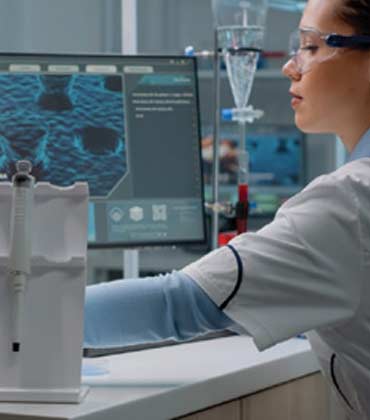
Controlled Release Technology Advances Drug Delivery Across Europe
Controlled release technology enhances drug delivery in Europe, improving treatment consistency and patient convenience through innovative and scalable product development.
EDITORIAL
Where Science Meets Better Care
Our cover story, Toxicology UK, named Top Post-Mortem Toxicology Testing Solutions in UK 2026, demonstrates why expert interpretation can be just as important as laboratory testing. Its approach brings together accredited analysis, forensic interpretation and casework expertise, placing laboratory results in the context of medical records, prescription history, pathology findings and the circumstances surrounding a death. Its broad screening approach and Toxicological Significance Score help investigators identify relevant substances, explain findings more clearly and reach scientifically defensible conclusions. Its case experience also shows why targeted testing can be crucial when routine screening fails to explain a death.
Orexa, named Top Clinical-Stage Pharmaceutical and Therapeutics Develops Solutions in Europe 2026, takes a focused approach to impaired food intake. Its ORE-001 programme targets local signals in the stomach. In a Phase 2 study for postoperative ileus, patients receiving ORE-001 ate more after surgery, showed earlier gastrointestinal activation and recovered sooner than those receiving placebo. The programme demonstrates how a specific biological insight can lead to new therapeutic possibilities while supporting existing care.
The issue also features perspectives from Laura Bonino, Head of Clinical Development, SIFI, and Emma Spellman, Chief Operating Officer, The London Clinic. Bonino highlights flexibility, risk management, collaboration and digital health while stressing the value of combining clinical trials with real-world data. Spellman focuses on patient-centred oncology care, emerging treatments, collaboration and continued professional development.
Together, these stories show how sound science, strong leadership and patient needs continue to shape life sciences. We invite readers to explore the featured stories and insights.
