

Stefano Biondi epitomizes the pinnacle of pharmaceutical leadership, boasting an impressive profile as an innovative entrepreneur with a wealth of global experience. His extensive knowledge base and multifaceted expertise have been instrumental in spearheading and nurturing diverse projects and enterprises within the pharmaceutical and biotech domains. Stefano's forte lies in his exceptional ability to swiftly assimilate new information, adapt adeptly, and make resolute, impactful decisions. Widely acknowledged as a luminary in his field, Stefano effortlessly engages with Key Opinion Leaders (KOLs), industry titans, and stakeholders at the highest echelons. His international renown as an expert is a testament to his acumen and influence. As a fervent and zealous senior figure in Pharma R&D, Stefano boasts a stellar track record marked by triumphant achievements. His proficiency extends to conceiving and cultivating groundbreaking products spanning a diverse spectrum of therapeutic areas. Notably, his approach is characterized by a judicious blend of pragmatism and an unwavering commitment to delivering tangible outcomes. Please share with our readers your career journey and current roles and responsibilities. I have been working as Head of Pre-Clinical at Recordati S.p.A. since 2021. My professional journey spans over three decades, commencing with my graduation in Chemistry from the esteemed University of Bologna in Italy. Throughout my career, I have navigated through diverse roles in research and development across small and large companies. I have worked for over 15 years in GSK. From there my professional footprint extended across Europe, with substantial work undertaken in France, Switzerland, and Italy. This wealth of experience positioned me as a seasoned professional in the realm of drug discovery and development as well as several therapeutic areas including anti-infectives, metabolic disease, central nervous system, and ophthalmology.
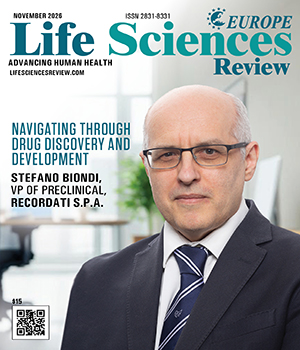
Drug Discovery and Development
A promising antiviral treatment is only the beginning of drug development. Before pharmaceutical companies invest in costly, large-scale clinical trials, they need clear evidence that a treatment can work. Generating that evidence early helps biotechnology companies demonstrate the potential of their research and attract partners for further development. Finnish biotechnology company ATB Antivirals Oy is developing its two lead treatments with this goal in mind. It is advancing ATB 101 as a topical candidate engineered to treat persistent human papillomavirus (HPV) infection, along with ATB 201, a multi-action nasal spray designed to halt respiratory viral infections before they take hold. Though addressing vastly different stages of disease, both programmes are structured to generate clear, early clinical proof that delivers decisive answers before major capital commitments are made. At the heart of this strategy is a fundamentally different approach to intervention..

Supplements
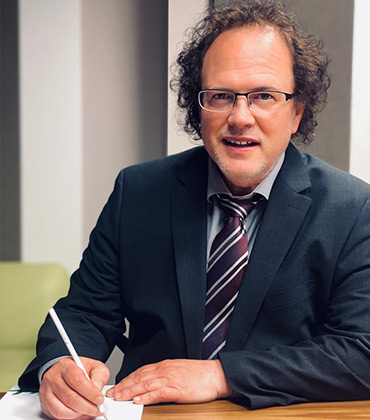
Cell Wellbeing is recognised globally for its pioneering digital epigenetic mapping technology that helps practitioners to consider how environmental stressors, electromagnetic fields, dietary influences, and lifestyle choices may be impacting individual wellness. Through a simple, non-invasive hair mapping process, wellness and sports fitness specialists receive personalised nutritional and wellbeing insights. These empower practitioners to design their own tailored recommendations that support their clients in achieving balanced physical, mental, and emotional wellbeing. Many daily factors can influence wellness and performance, such as environmental stressors and poor dietary habits may be overlooked. These subtle yet persistent challenges can impact the body’s balance and overall vitality. By highlighting them in a clear, accessible format, Cell Wellbeing provides practitioners with additional insight into potential underlying stressors..
Life Science Consulting
Pharmaceutical consultancy demands more than procedural know-how; it sits at the intersection of strict regulations, tight timelines, and evolving market needs. While many firms focus on individual tasks such as certification, packaging, and documentation, real preparedness requires a holistic view. You need to see how each element interacts, know which questions to ask before problems surface, and recognize risks that standard processes overlook. In practice, even a routine request for QP certification or packaging support can expose hidden dependencies, including supply chain quirks, cross-functional handoffs, or regional regulatory nuances. These are not one-off glitches but recurring themes across the industry. Teams often engage consultants with narrow scopes and then discover critical risks when it is too late and options are limited. Worse still, once the immediate objective is met, that guidance often disappears, leaving internal teams to navigate ongoing challenges alone. That gap between isolated tasks and sustained support is exactly what Smiro Qualitas fills. Rather than delivering isolated services, the company works as a strategic partner. It helps clients identify hidden risks, align operational decisions with regulatory expectations, and stay fully prepared through each stage of execution. “We don’t just respond to a brief and walk away. We look at the bigger picture, challenge assumptions, and stay involved until the plan actually works on the ground,” says Robert Smith, owner and director. Asking the Right Questions Early Smiro Qualitas supports clients across the product lifecycle, but its value is most evident at pressure points like clinical trial setup, batch release planning, and cross-border regulatory navigation. For many teams, especially outside the UK or EU, the issue isn’t technical skill—it’s knowing what questions to ask, and when. US-based companies often expect the QP to simply sign off, only to learn the QP is directly accountable to regulators and patients, and must flag missing details or risks. Without early clarity, this shift from US-FDA norms can lead to costly mistakes..

Agricultural Biotechnology

Integrating Novel Approaches for Safer Drug Development
Ulf Andersson, Head of Preclinical Safety and Translational Pharmacology, Debiopharm
Biomanufacturing

Quality Leadership in Radiopharmaceutical Manufacturing
Lauren Derose, Director of Quality, Nucleus RadioPharma
Biomanufacturing

Gratitude as a Leadership Strategy for Workforce Resilience
Tammy Aiken, DNP, RN, SANE, Director of Patient Experience, Mohawk Valley Health System
Bioprocessing

Balancing Quality, Compliance and Compassion in Hospice Care
Donna Brown, Chief Operating Officer, Crater Community Hospice
Biomanufacturing
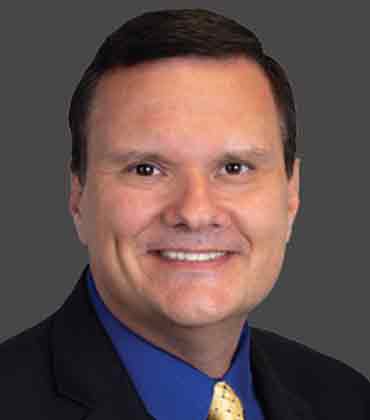
Seven Things Nobody Tells you before you Bet Millions on AI
Thomas Gilbertson, Senior Vice President, Artificial Intelligence and Automation, WellSense Health Plan

IN MY OPINION
Biomanufacturing
Accountability in Leadership: The Power of an Apology
Prem Oommen, Pharm.D., MBA, RPh, Director of Pharmacy, NCH North Hospital – Nicklaus Children's Paediatric Collaboration, Naples Comprehensive Health – NCH North Naples Hospital

LAST WORD
CDMO
New Product Liability Directive in Europe: Implications for the Pharmaceutical Industry
Xavier Salas, Corporate Legal & Compliance Manager, Neuraxpharm
IN FOCUS

Antiviral Drug Development Platforms in Europe: Advancing Rapid Therapeutic Innovation
Antiviral drug development platforms accelerate discovery, improve clinical success, support precision medicine and strengthen global infectious disease preparedness.

Atherosclerotic Coronary Artery Disease: Advancing Cardiovascular Care in Europe
Life sciences companies advance coronary artery disease care through innovative diagnostics, therapies, clinical research and preventive strategies that improve cardiovascular health.
EDITORIAL
Turning Scientific Progress into Better Patient Care
The Finnish biotechnology company, ATB Antivirals Oy, recognised as Top Antiviral Drug Development Platform in Europe 2026 is developing two approaches to viral disease. Its lead candidate, ATB 101, targets persistent human papillomavirus (HPV) infection, while ATB 201 is a multi-action nasal spray designed to prevent respiratory viral infections. Both programmes aim to establish early evidence of biological activity that can help guide further development and support discussions with potential partners. ATB 101 is undergoing GLP preclinical studies, with firstin-human trials planned, while ATB 201 will be tested in controlled viral-challenge studies. The findings will help ATB assess the next steps for each programme and support discussions with potential licensing partners.
Pharmaceutical innovation also depends on the systems that ensure products can be manufactured consistently and safely. Lauren DeRose, Director of Quality at Nucleus RadioPharma, addresses this challenge in radiopharmaceutical manufacturing, where sterile processing, radioactive materials and compressed timelines demand close coordination across teams. Donna Brown, Chief Operating Officer at Crater Community Hospice, considers quality from the perspective of patient care. Drawing on her nursing background and leadership experience, she explains how regulatory compliance, financial stewardship and operational decisions must remain connected to the needs of patients and families.
Together, these perspectives show that progress in life sciences rests on sound evidence, disciplined execution and leadership that keeps patients in view. We invite readers to explore the edition and learn how these priorities are shaping drug development, manufacturing and patient care.
